
Introduction
Recovery is an essential part of fitness, whether your goal is building strength, improving endurance, managing weight, or simply staying active. Exercise challenges the body, while recovery gives it time to adapt, restore energy, and prepare for the next workout.
Many people focus on training harder but overlook the importance of sleep, nutrition, hydration, rest, and stress management. Smart recovery is not about doing less; it is about finding the right balance between exercise and recovery.
This guide covers practical recovery and fitness tips to help support strength, energy, performance, and overall wellness.
Why Recovery Matters
Every workout creates a certain amount of physical stress. Your body needs time and resources to respond to that stress.
Proper recovery can support:
- Muscle repair and maintenance
- Energy restoration
- Exercise performance
- Mobility
- Training consistency
- Healthy sleep
- Overall wellness
Recovery requirements differ from person to person. A beginner may need a different schedule from an experienced athlete.
1. Make Sleep a Priority
Quality sleep is one of the most important recovery strategies.
Most adults generally need at least 7 hours of sleep each night, although individual needs vary.
During sleep, the body performs important processes related to physical and mental restoration.
Better Sleep Habits
- Maintain a consistent sleep schedule.
- Keep your bedroom comfortable and dark.
- Avoid unnecessary screen use before bed.
- Limit excessive caffeine late in the day.
- Allow enough time for uninterrupted sleep.
If you regularly struggle with sleep, consider speaking with a healthcare professional.
2. Stay Hydrated
Water is essential for normal body functions and exercise performance.
You may lose significant amounts of fluid through sweating during exercise, especially in hot environments.
Make hydration easier by:
- Drinking water regularly.
- Drinking fluids around workouts.
- Paying attention to thirst.
- Replacing fluids after heavy sweating.
During prolonged or intense exercise, electrolyte replacement may sometimes be appropriate.
3. Eat Enough Protein
Protein provides amino acids that the body uses to maintain and repair tissues.
Excellent protein sources include:
- Eggs
- Chicken
- Fish
- Lean meat
- Yogurt
- Milk
- Beans
- Lentils
- Tofu
- Nuts
- Seeds
Your protein requirements depend on factors such as body size, activity level, training goals, and overall diet.
4. Don’t Forget Carbohydrates
Carbohydrates are an important energy source for many types of physical activity.
Good choices include:
- Oats
- Rice
- Potatoes
- Fruits
- Whole-grain bread
- Whole-grain pasta
- Beans
- Lentils
Including carbohydrates in meals can help support energy needs, particularly for people who train regularly.
5. Include Healthy Fats
Healthy fats are another important part of balanced nutrition.
Good sources include:
- Avocados
- Nuts
- Seeds
- Olive oil
- Fatty fish
A balanced diet does not require eliminating dietary fat.
6. Take Rest Days
Rest days allow your body to recover between demanding workouts.
Depending on your training schedule, rest may involve:
- Complete rest
- Gentle walking
- Light stretching
- Mobility exercises
- Normal daily activities
Rest days are especially useful when training intensity is high.
7. Use Active Recovery
Active recovery involves low-intensity movement that does not create substantial additional fatigue.
Examples include:
- Easy walking
- Gentle cycling
- Light swimming
- Mobility exercises
- Relaxed stretching
The goal is to move comfortably rather than push your limits.
8. Build a Balanced Workout Schedule
Avoid making every workout equally intense.
A balanced week might include:
Strength training → Cardio → Recovery → Strength training → Cardio → Light activity → Rest
The exact schedule should reflect your goals, fitness level, and available recovery time.
9. Progress Gradually
Progressive training can help improve fitness, but sudden increases can make workouts unnecessarily difficult.
Gradually increase:
- Weight
- Repetitions
- Sets
- Workout duration
- Exercise difficulty
Avoid dramatically increasing multiple variables at the same time.
10. Eat a Balanced Diet
Your entire diet matters more than a single post-workout meal.
Try to include:
- Vegetables
- Fruits
- Whole grains
- Protein-rich foods
- Healthy fats
- Adequate fluids
A varied diet can provide the nutrients your body needs for normal function and exercise recovery.
11. Choose Nutrient-Dense Foods
Nutrient-dense foods can provide vitamins, minerals, fiber, and other beneficial nutrients.
Examples include:
- Spinach
- Broccoli
- Berries
- Oranges
- Eggs
- Fish
- Beans
- Lentils
- Oats
- Nuts
- Seeds
Eating a variety of foods is generally more useful than depending on one specific “superfood.”
12. Use Gentle Mobility Exercises
Mobility exercises can help maintain comfortable movement.
Try movements such as:
- Shoulder circles
- Hip rotations
- Ankle movements
- Thoracic rotations
- Controlled bodyweight exercises
Even a short mobility routine can be useful during recovery days.
13. Stretch Comfortably
Gentle stretching can complement mobility and exercise.
Stretch slowly and avoid forcing a joint or muscle into painful positions.
Stretching can be particularly useful as part of a broader routine that also includes strength training and regular movement.
14. Listen to Your Body
Learning to recognize excessive fatigue is an important fitness skill.
Possible signs that you need additional recovery include:
- Persistent fatigue
- Reduced workout performance
- Poor sleep
- Unusual soreness
- Low motivation
- Feeling unusually tired during everyday activities
If these problems continue, reduce training stress and consider seeking professional advice.
15. Manage Stress
Fitness recovery is not only physical.
High stress can make it harder to relax, sleep, and maintain healthy routines.
Try:
- Meditation
- Deep breathing
- Walking
- Reading
- Relaxing hobbies
- Spending time with supportive people
- Listening to music
Choose activities that help you mentally disconnect from daily stress.
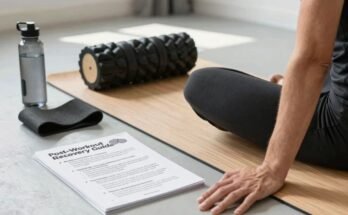
16. Try Foam Rolling
Foam rolling is commonly used before or after exercise.
It may provide temporary relief from feelings of muscle tightness and improve comfort during movement.
Use moderate pressure and avoid aggressive rolling over painful or injured areas.
17. Consider Massage
Massage can be useful for relaxation and temporary muscle discomfort.
However, massage should not be used to ignore persistent pain or suspected injuries.
If pain is severe, ongoing, or worsening, seek appropriate professional evaluation.
18. Use Heat and Cold Wisely
Warm showers can feel relaxing after exercise, while some athletes use cold exposure.
These approaches may influence comfort, but they do not replace the fundamentals of recovery.
Your primary recovery strategy should remain:
Sleep + Nutrition + Hydration + Rest + Appropriate Training
19. Track Your Fitness Progress
Tracking your progress can help you understand how your body responds to training.
You can record:
- Workout duration
- Exercise intensity
- Weight or resistance used
- Repetitions
- Sleep
- Energy levels
- Muscle soreness
- Rest days
This information can help you make smarter adjustments to your routine.
20. Create a Sustainable Fitness Routine
The best workout plan is one you can maintain.
Instead of trying to exercise intensely every day, build a realistic routine around your lifestyle.
For example:
Monday
Strength workout
Tuesday
Light cardio
Wednesday
Recovery or rest
Thursday
Strength workout
Friday
Cardio
Saturday
Walking or recreational activity
Sunday
Rest
Adjust this schedule based on your individual needs.
Best Post-Workout Foods
A balanced post-workout meal can include protein and carbohydrates.
Eggs + Whole-Grain Toast
A simple combination of protein and carbohydrates.
Yogurt + Fruit + Oats
Provides protein, carbohydrates, and other nutrients.
Chicken + Rice + Vegetables
A balanced meal for active individuals.
Lentils + Rice + Salad
A plant-based combination rich in protein and fiber.
Fish + Potatoes + Vegetables
Provides protein, carbohydrates, and micronutrients.
The appropriate portion depends on individual energy and nutritional requirements.
Recovery Tips for Beginners
If you are new to exercise, keep your recovery routine simple.
Focus on:
- Starting with manageable workouts.
- Learning proper exercise technique.
- Getting enough sleep.
- Drinking enough water.
- Eating balanced meals.
- Taking rest days.
- Increasing exercise gradually.
You do not need expensive equipment or complicated recovery products.
Recovery Tips for Strength Training
Strength training requires appropriate recovery between demanding sessions.
Consider:
- Training different muscle groups on different days.
- Consuming adequate protein.
- Getting sufficient sleep.
- Staying hydrated.
- Gradually increasing resistance.
- Taking rest days when needed.
Avoid repeatedly training the same muscles intensely without adequate recovery.
Recovery Tips for Cardio
After demanding cardio:
- Cool down gradually.
- Drink fluids.
- Eat a balanced meal.
- Get adequate sleep.
- Use light movement on recovery days.
If you experience unusual chest pain, fainting, severe shortness of breath, or other concerning symptoms during exercise, stop and seek appropriate medical attention.
Common Recovery Mistakes
Exercising Too Hard
More intensity is not always better.
Ignoring Sleep
Poor sleep can make recovery and performance more difficult.
Eating Too Little
Insufficient energy intake can interfere with training and recovery.
Forgetting Hydration
Fluid loss should be replaced, particularly after heavy sweating.
Skipping Rest Days
Your body needs time to adapt to training.
Ignoring Persistent Pain
Significant or ongoing pain should be professionally evaluated rather than automatically treated as normal soreness.
Do Recovery Supplements Really Matter?
Recovery supplements are not essential for everyone.
A balanced diet should come first.
Some people may use products such as:
- Protein powder
- Creatine
- Electrolytes
- Sports nutrition products
Whether a supplement is appropriate depends on individual needs.
If you have a medical condition, take medication, or have specific dietary requirements, consult a qualified healthcare professional or registered dietitian.
How to Recover Better After Every Workout
A simple recovery checklist can make the process easier.
After Exercise
Cool down and drink fluids.
Within the Following Hours
Eat a balanced meal containing protein and carbohydrates.
During the Evening
Relax and avoid unnecessary physical stress.
Before Bed
Follow a consistent sleep routine.
Next Day
Choose your next workout based on your energy, recovery, and training schedule.
Long-Term Fitness and Recovery
Recovery should not be viewed as something you only need after an especially difficult workout.
It should be part of your regular lifestyle.
A sustainable fitness system combines:
Exercise + Nutrition + Sleep + Hydration + Rest + Stress Management
This balanced approach can help you maintain regular physical activity without constantly pushing yourself to exhaustion.
Conclusion
Smart recovery is the foundation of sustainable fitness. Exercise provides the training stimulus, while recovery gives your body time to adapt and prepare for future activity.
Prioritize sleep, hydration, protein, carbohydrates, balanced nutrition, rest days, active recovery, mobility, and gradual progression. Techniques such as stretching, foam rolling, massage, and heat or cold treatments can complement these fundamentals.
Most importantly, listen to your body and avoid treating extreme fatigue or persistent pain as something you simply need to push through.
You do not need a complicated recovery program to make progress. Consistent, practical habits are often the most effective approach.
By balancing strength, energy, recovery, and wellness, you can create a fitness routine that supports your goals and remains sustainable for the long term.