
Introduction
Fitness recovery is a crucial part of any effective workout routine. Exercise challenges the muscles, cardiovascular system, and nervous system, while recovery gives the body time to repair, adapt, and prepare for future activity. Without adequate recovery, constant training can lead to excessive fatigue and make it harder to stay consistent.
Whether you exercise at home, train at a gym, run, cycle, or participate in sports, smart recovery habits can help support performance and overall wellness.
The best recovery strategy does not depend on one special technique. Instead, it combines quality sleep, balanced nutrition, hydration, rest, active recovery, stress management, and appropriate training intensity.
This guide covers the best fitness recovery tips to help you manage fatigue, support muscle recovery, and build a more sustainable fitness routine.
Why Is Fitness Recovery Important?
Recovery allows your body to respond to the stress created by exercise.
Good recovery can help support:
- Muscle repair
- Energy restoration
- Normal physical performance
- Healthy sleep
- Training consistency
- Mobility
- Overall well-being
Recovery needs vary based on exercise intensity, training frequency, nutrition, sleep, age, and individual circumstances.
1. Prioritize Quality Sleep
Sleep is one of the most important recovery tools.
During sleep, your body carries out numerous processes related to physical and mental recovery.
Most adults should generally aim for at least 7 hours of sleep per night, although individual needs vary.
Better Sleep Tips
- Keep a consistent bedtime.
- Create a dark, comfortable sleeping environment.
- Reduce unnecessary screen use before bed.
- Avoid excessive caffeine late in the day.
- Give yourself enough time to rest.
If sleep problems are persistent, consider speaking with a healthcare professional.
2. Stay Properly Hydrated
Hydration plays an important role in exercise and recovery.
You lose fluids through sweating and breathing, particularly during intense exercise or hot weather.
Good hydration habits include:
- Drinking water throughout the day
- Drinking fluids before and after workouts
- Paying attention to thirst
- Increasing fluid intake during hot conditions
For prolonged or intense exercise, electrolyte replacement may sometimes be useful.
3. Eat Enough Protein
Protein provides amino acids needed for maintaining and repairing body tissues.
Excellent protein sources include:
- Eggs
- Chicken
- Fish
- Lean meat
- Yogurt
- Milk
- Beans
- Lentils
- Tofu
- Nuts
- Seeds
Instead of concentrating all protein intake into one meal, spreading protein-rich foods throughout the day can be a practical approach.
Individual protein requirements vary depending on body size, exercise level, goals, and overall diet.
4. Include Carbohydrates
Carbohydrates provide an important source of energy for many types of exercise.
After demanding workouts, carbohydrate-rich foods can help replenish energy stores.
Good options include:
- Oats
- Rice
- Potatoes
- Whole-grain bread
- Fruit
- Whole-grain pasta
- Beans
- Lentils
Combining carbohydrates with protein can create a balanced recovery meal.
5. Eat Nutrient-Dense Foods
Recovery requires more than protein.
A varied diet can provide vitamins, minerals, fiber, healthy fats, and other nutrients.
Include foods such as:
- Leafy greens
- Colorful vegetables
- Fruits
- Whole grains
- Beans
- Lentils
- Eggs
- Fish
- Nuts
- Seeds
A diverse diet makes it easier to obtain a broad range of nutrients.
6. Don’t Skip Rest Days
Rest days are an important part of a balanced fitness program.
A rest day can involve:
- Complete rest
- Gentle walking
- Light stretching
- Mobility work
- Normal daily activities
You do not have to remain completely inactive, but avoid turning every recovery day into another demanding workout.
7. Try Active Recovery
Active recovery involves low-intensity movement after demanding training.
Examples include:
- Easy walking
- Gentle cycling
- Light swimming
- Mobility exercises
- Easy stretching
The purpose is to keep activity light rather than adding another challenging training session.
8. Use Mobility Exercises
Mobility exercises can help you maintain comfortable movement.
Examples include:
- Shoulder circles
- Hip rotations
- Ankle movements
- Thoracic rotations
- Controlled bodyweight exercises
Mobility work can be particularly useful if you spend much of the day sitting.
9. Stretch Carefully
Stretching can be included in a broader fitness and mobility routine.
Gentle stretching may help maintain flexibility and provide a relaxing way to finish a workout.
Avoid bouncing aggressively or forcing a stretch into pain.
10. Manage Training Intensity
One of the biggest recovery mistakes is making every workout extremely difficult.
A balanced training plan should include different levels of intensity.
For example:
High intensity: Challenging strength or cardio session
Moderate intensity: Normal workout
Low intensity: Walking or mobility
Rest: Recovery day
This variation can help manage overall training stress.
11. Increase Exercise Gradually
Progressive training is useful, but increases should be gradual.
You can increase:
- Weight
- Repetitions
- Sets
- Workout duration
- Exercise difficulty
Avoid increasing several variables dramatically at the same time.
Gradual progression gives your body time to adapt.
12. Eat a Balanced Post-Workout Meal
A post-workout meal does not need to be complicated.
Good combinations include:
Option 1
Eggs + whole-grain toast + fruit
Option 2
Chicken + rice + vegetables
Option 3
Greek yogurt + oats + berries
Option 4
Lentils + rice + vegetables
Option 5
Fish + potatoes + salad
The best choice depends on your dietary preferences and nutritional requirements.
13. Don’t Forget Healthy Fats
Healthy fats can be part of a balanced recovery diet.
Sources include:
- Avocado
- Nuts
- Seeds
- Olive oil
- Fatty fish
Fats also contribute to normal cell functions and help the body absorb certain vitamins.
14. Reduce Everyday Stress
Fitness recovery also involves mental relaxation.
High levels of stress can make it more difficult to sleep and maintain healthy habits.
Try activities such as:
- Walking
- Meditation
- Deep breathing
- Reading
- Listening to relaxing music
- Spending time with family or friends
- Enjoying hobbies
Finding activities that help you relax can complement your physical recovery routine.
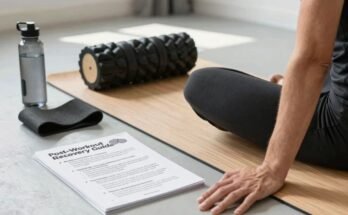
15. Use Foam Rolling
Foam rolling is commonly used by athletes and fitness enthusiasts.
It may provide temporary relief from feelings of muscle tightness and improve comfort during movement.
Use moderate pressure and avoid applying aggressive pressure to painful or injured areas.
Foam rolling should complement—not replace—proper rest, nutrition, and training.
16. Consider Massage
Massage can be a useful relaxation and recovery strategy for some people.
It may help with temporary muscle discomfort and relaxation.
However, persistent or significant pain should not simply be treated with massage. Appropriate medical assessment may be necessary.
17. Be Smart About Heat and Cold
Warm showers or other forms of gentle heat may feel relaxing after exercise.
Some athletes also use cold exposure.
These methods may influence how you feel after exercise, but they are not substitutes for fundamental recovery practices.
If you are recovering from an injury, consult an appropriate healthcare professional before using intensive heat or cold treatments.
18. Listen to Your Body
Learning to recognize signs of excessive fatigue can help you adjust your training.
Possible warning signs include:
- Persistent tiredness
- Declining workout performance
- Poor sleep
- Unusual soreness
- Reduced motivation
- Feeling exhausted during normal activities
If these issues persist, consider reducing training load and seeking professional advice when appropriate.
19. Track Your Recovery
Tracking recovery can help identify patterns.
You can record:
- Sleep duration
- Workout intensity
- Muscle soreness
- Energy levels
- Rest days
- Exercise performance
- Mood
Over several weeks, this information can help you understand whether your training schedule is appropriate.
20. Build a Weekly Recovery Strategy
A balanced week could look like this:
| Day | Training | Recovery Focus |
|---|---|---|
| Monday | Strength | Hydration + nutrition |
| Tuesday | Cardio | Sleep + light mobility |
| Wednesday | Rest | Walking + relaxation |
| Thursday | Strength | Protein + hydration |
| Friday | Cardio | Sleep + nutrition |
| Saturday | Light activity | Mobility |
| Sunday | Rest | Full recovery |
This is only an example. Your schedule should be adjusted according to your fitness level and goals.
Recovery Tips for Beginners
Beginners should avoid trying to train like experienced athletes immediately.
Start with:
- Shorter workouts
- Moderate intensity
- Adequate rest
- Simple exercises
- Good technique
- Consistent sleep
- Balanced nutrition
As your fitness improves, gradually increase training demands.
Recovery Tips for Strength Training
Strength-training recovery should focus on giving muscles enough time to adapt.
Useful strategies include:
- Avoid training the same muscles hard every day.
- Get enough protein.
- Eat adequate energy.
- Sleep sufficiently.
- Use rest days.
- Progress gradually.
Training more frequently is not automatically better if your body cannot recover.
Recovery Tips for Cardio
After challenging cardio sessions:
- Cool down gradually.
- Replace fluids.
- Eat a balanced meal.
- Prioritize sleep.
- Use light activity on recovery days.
If you experience severe or unusual symptoms during or after exercise, stop and seek appropriate medical attention.
Common Fitness Recovery Mistakes
Overtraining
Exercising intensely without adequate recovery can increase fatigue.
Poor Sleep
Insufficient sleep can make it harder to recover and perform well.
Undereating
Not consuming enough energy can make training and recovery more difficult.
Dehydration
Insufficient fluid intake can affect exercise performance and well-being.
Ignoring Pain
Persistent or severe pain should not be dismissed as normal exercise soreness.
Relying on Supplements
Supplements cannot replace a balanced diet, proper training, and adequate sleep.
Do You Need Recovery Supplements?
Not everyone needs supplements for recovery.
A well-balanced diet should be the foundation.
Some people may use products such as:
- Protein powder
- Creatine
- Electrolytes
- Other sports nutrition products
However, suitability depends on individual circumstances.
If you take medications, have a medical condition, or have specific nutritional needs, discuss supplements with a qualified healthcare professional or registered dietitian.
How to Recover Faster Naturally
If your goal is to improve recovery, focus first on the fundamentals:
Sleep → Nutrition → Hydration → Rest → Appropriate Training
Then consider additional strategies such as:
- Light movement
- Mobility exercises
- Gentle stretching
- Foam rolling
- Relaxation techniques
There is no shortcut that can replace adequate recovery.
Conclusion
The best fitness recovery strategy is a combination of simple, consistent habits. Prioritizing quality sleep, balanced nutrition, adequate protein, carbohydrates, hydration, rest days, and appropriate training intensity can help support your body’s ability to recover.
Additional strategies such as active recovery, mobility exercises, stretching, foam rolling, massage, and stress management can complement the basics.
Remember that recovery needs are different for everyone. Your ideal routine depends on your exercise type, training volume, fitness level, lifestyle, nutrition, and overall health.
Instead of trying to recover faster through extreme methods, build a sustainable system around smart training and sufficient recovery. When you give your body the time and resources it needs, you can create a healthier fitness routine and stay consistent for the long term.