Introduction
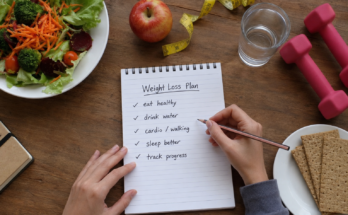
Healthy weight loss is about creating sustainable lifestyle habits rather than following extreme diets or looking for rapid results. A balanced approach combines nutritious food choices, regular physical activity, adequate sleep, hydration, and realistic goals.
Weight management can be different for everyone. Factors such as age, activity level, genetics, sleep, medications, and overall lifestyle can influence how the body responds to changes in food and activity.
The most effective weight loss strategy is one that is practical enough to maintain over the long term. Instead of completely eliminating foods or following restrictive plans, focus on building healthier habits gradually.
This healthy weight loss guide explains practical nutrition strategies, exercise ideas, meal-planning tips, lifestyle habits, and common mistakes to avoid.
What Is Healthy Weight Loss?
Healthy weight loss generally means reducing excess body weight through sustainable changes in eating patterns and physical activity.
A successful approach should focus on:
- Balanced nutrition
- Appropriate portions
- Regular physical activity
- Adequate sleep
- Hydration
- Consistency
- Realistic goals
The goal is not simply to lose weight quickly. Maintaining healthy habits over time is an important part of successful weight management.
1. Focus on a Balanced Diet
Nutrition plays a major role in weight management.
A balanced eating pattern can include:
- Vegetables
- Fruits
- Whole grains
- Lean protein
- Beans and lentils
- Nuts and seeds
- Healthy fats
- Low-fat or suitable dairy foods
Rather than completely removing carbohydrates or fats, focus on food quality and appropriate portions.
Choose Nutrient-Dense Foods
Nutrient-dense foods provide important nutrients without relying heavily on added sugars or highly processed ingredients.
Examples include:
- Vegetables
- Fruits
- Eggs
- Fish
- Chicken
- Beans
- Lentils
- Oats
- Whole grains
- Nuts
- Seeds
Making these foods regular parts of meals can support a balanced diet.
2. Increase Protein-Rich Foods
Protein is important for maintaining body tissues and supporting muscle health.
Good protein sources include:
- Eggs
- Chicken
- Fish
- Lean meat
- Greek yogurt
- Beans
- Lentils
- Tofu
- Nuts
- Seeds
Including protein in meals can also help meals feel more satisfying.
The appropriate amount varies depending on individual needs, activity levels, and overall diet.
3. Eat More Vegetables
Vegetables are an excellent part of a weight-management diet because many are rich in fiber and water while providing relatively few calories.
Try adding vegetables to:
- Breakfast
- Lunch
- Dinner
- Soups
- Salads
- Sandwiches
- Rice dishes
Eating a variety of colorful vegetables can also increase dietary variety.
4. Choose High-Fiber Foods
Fiber can support digestive health and help you feel full after eating.
Good sources include:
- Oats
- Beans
- Lentils
- Apples
- Berries
- Vegetables
- Whole grains
- Nuts
- Seeds
Increase fiber gradually and drink enough fluids to support comfortable digestion.
5. Control Portions
Even nutritious foods can contribute substantial energy when eaten in very large portions.
Simple portion strategies include:
- Use smaller plates when helpful.
- Serve food rather than eating directly from large packages.
- Eat slowly.
- Pay attention to hunger and fullness.
- Avoid automatically taking second portions.
Portion needs are individual, so there is no single perfect serving size for everyone.
6. Reduce Excessive Added Sugar
Sugary foods and beverages can add substantial calories while providing relatively few nutrients.
Common sources include:
- Soft drinks
- Sweetened tea
- Candy
- Cakes
- Cookies
- Sweetened cereals
- Desserts
You do not necessarily need to eliminate these foods completely. Reducing how frequently and how much you consume can make a difference.
Choose water, unsweetened beverages, fruit, or other nutritious options more often.
7. Drink Enough Water
Hydration is important for overall health.
Water can be a useful choice when trying to reduce calorie intake from beverages.
Instead of regularly consuming:
- Sugary sodas
- Sweetened juices
- High-calorie coffee drinks
consider choosing water or unsweetened beverages more often.
Fluid requirements vary according to activity, climate, diet, and individual circumstances.
8. Exercise Regularly
Physical activity can support weight management and overall health.
Useful forms of exercise include:
Walking
Walking is accessible and can be incorporated into everyday routines.
Cycling
Cycling can provide cardiovascular exercise while being adaptable to different fitness levels.
Swimming
Swimming provides a full-body workout with relatively low impact on the joints.
Strength Training
Resistance exercises can help maintain and build muscle.
Jogging
For people who are comfortable with higher-impact exercise, jogging can be an effective cardiovascular activity.
Choose activities that you enjoy because enjoyable routines are generally easier to maintain.
9. Add Strength Training
Strength training is particularly useful for maintaining muscle while managing body weight.
Exercises can include:
- Squats
- Lunges
- Push-ups
- Rows
- Resistance-band exercises
- Weightlifting
Beginners should start at an appropriate level and gradually increase difficulty.
If you have an injury or health condition, seek appropriate professional guidance before starting a new exercise program.
10. Increase Daily Movement
Weight management is not only about formal workouts.
Everyday movement can also contribute to overall activity.
Try:
- Walking during breaks
- Taking stairs when appropriate
- Doing household activities
- Gardening
- Walking while talking on the phone
- Spending less time sitting continuously
Small movements throughout the day can add up.
11. Create a Sustainable Meal Plan
Meal planning can make healthy eating easier.
A simple weekly plan can include:
Breakfast: Eggs with whole-grain toast and fruit
Lunch: Chicken or beans with vegetables and whole grains
Snack: Fruit, yogurt, or a small serving of nuts
Dinner: Fish, chicken, lentils, or tofu with vegetables and a suitable carbohydrate source
The exact foods and portions should be adjusted to individual preferences and nutritional needs.
12. Avoid Extreme Diets
Extreme diets may promise very rapid weight loss, but they can be difficult to maintain.
Common examples include plans that:
- Eliminate entire food groups without a medical reason
- Encourage extremely low food intake
- Rely heavily on unproven supplements
- Promise dramatic results in a very short period
A sustainable eating pattern is generally a better long-term strategy.
13. Get Enough Sleep
Sleep is an important part of a healthy lifestyle.
Poor or insufficient sleep can make healthy eating and regular physical activity more difficult.
Create a consistent sleep routine by:
- Going to bed at a regular time
- Limiting excessive screen use before bed
- Keeping the bedroom comfortable
- Avoiding large meals immediately before sleep when they interfere with rest
Adults generally benefit from getting adequate sleep on a regular basis.
14. Manage Stress
Stress can influence eating habits and daily activity.
Some people may eat more highly processed or calorie-dense foods when stressed.
Healthy stress-management strategies can include:
- Walking
- Exercise
- Meditation
- Deep breathing
- Hobbies
- Spending time with supportive people
- Maintaining a regular sleep schedule
Finding healthy ways to manage stress can support long-term lifestyle changes.
15. Track Your Progress
Tracking can help identify patterns and maintain motivation.
You can monitor:
- Body weight
- Exercise
- Meals
- Daily steps
- Sleep
- Water intake
- Waist measurements
However, weight naturally fluctuates from day to day. Looking at longer-term trends can provide more useful information than focusing on a single measurement.
16. Set Realistic Weight Loss Goals
Realistic goals can make weight management more sustainable.
Instead of focusing only on a final number, consider smaller goals such as:
- Eating more vegetables
- Walking regularly
- Cooking more meals at home
- Drinking fewer sugary beverages
- Improving sleep
- Increasing strength
These behavior-based goals can help build lasting habits.
17. Healthy Snacks for Weight Management
Smart snacks can help you maintain a balanced eating pattern.
Options include:
- Apple with a small amount of nut butter
- Greek yogurt
- Fresh fruit
- Boiled eggs
- Carrot sticks with hummus
- A small serving of nuts
- Cottage cheese
- Vegetable slices
Choose snacks according to your hunger, daily energy needs, and overall meal plan.
18. Cook More Meals at Home
Home cooking can make it easier to control ingredients and portions.
You can prepare meals using:
- Fresh vegetables
- Lean protein
- Whole grains
- Beans
- Herbs
- Spices
- Healthy cooking oils
Cooking at home also gives you more control over added sugar, sodium, and cooking fats.
19. Avoid Common Weight Loss Mistakes
Several habits can make weight management harder.
Skipping Meals Regularly
Some people may become extremely hungry later and overeat.
Drinking Too Many Calories
Sugary beverages can add significant energy without creating the same fullness as solid foods.
Eating Too Quickly
Fast eating can make it harder to notice fullness.
Relying on Supplements
Weight-loss supplements are not a replacement for healthy eating and physical activity, and some may have safety concerns.
Setting Unrealistic Goals
Expecting dramatic changes immediately can lead to frustration.
20. Make Healthy Habits Sustainable
The most important part of healthy weight loss is consistency.
You do not need to change everything at once.
Start with a few manageable habits:
- Drink more water.
- Add vegetables to meals.
- Walk regularly.
- Include protein-rich foods.
- Reduce sugary drinks.
- Improve sleep.
- Cook more meals at home.
Once these habits become comfortable, gradually introduce additional changes.
Sample Healthy Weight Loss Day
A balanced day could look like this:
Breakfast
Oatmeal with fruit, yogurt, and a small serving of nuts.
Lunch
Grilled chicken or lentils with vegetables and brown rice.
Snack
An apple or yogurt.
Dinner
Fish, chicken, beans, or tofu with vegetables and potatoes or another whole-food carbohydrate.
Beverages
Water and unsweetened drinks throughout the day.
This is only an example. Individual calorie and nutrient needs vary.
Weight Loss and Long-Term Health
Weight management should be considered as part of overall health rather than focusing only on appearance.
Healthy lifestyle habits can support:
- Physical fitness
- Cardiovascular health
- Muscle strength
- Mobility
- Energy
- Mental well-being
- Quality of life
The right approach should be realistic and compatible with your everyday routine.
Conclusion
Healthy weight loss is built on sustainable habits, balanced nutrition, regular physical activity, adequate sleep, and consistency.
Instead of following extreme diets, focus on nutrient-dense foods such as vegetables, fruits, whole grains, lean proteins, beans, lentils, nuts, and seeds. Combine these foods with regular movement and appropriate portions.
Walking, strength training, meal planning, hydration, stress management, and good sleep can all contribute to a healthier lifestyle.
Remember that weight loss is not a race. Individual results can vary, and sustainable progress often requires patience. If you have a medical condition, take medications that affect weight, are pregnant or breastfeeding, or have a history of disordered eating, consult a qualified healthcare professional for personalized guidance.
The ultimate goal is not simply losing weight—it is developing healthy habits that you can maintain for the long term.