If you work out at home regularly, you already know that exercise is only one part of getting results. The other part is recovery. Many people focus on training harder but forget that muscles grow, repair, and become stronger while the body is resting. If you want better performance, less soreness, and faster progress, you need to learn how to recover faster after home workout sessions.
The good news is that recovery does not have to be expensive or complicated. Small daily habits can make a huge difference. Whether you are doing bodyweight exercises, strength training, HIIT, or cardio, proper recovery helps your body prepare for the next workout.
In this guide, I will explain simple and practical ways to recover faster after home workouts using methods that actually work.
Why Recovery Is Important After a Home Workout
Every workout puts stress on your muscles. Tiny muscle fibers break down during exercise. Your body repairs these fibers during recovery, making them stronger than before.
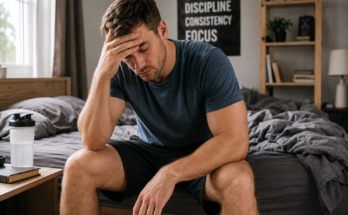
If you skip recovery, you may experience:
- Muscle soreness that lasts for days
- Lower energy levels
- Poor workout performance
- Higher risk of injuries
- Slow muscle growth
- Lack of motivation
Learning how to recover faster after home workout routines helps you stay consistent and enjoy better fitness results.
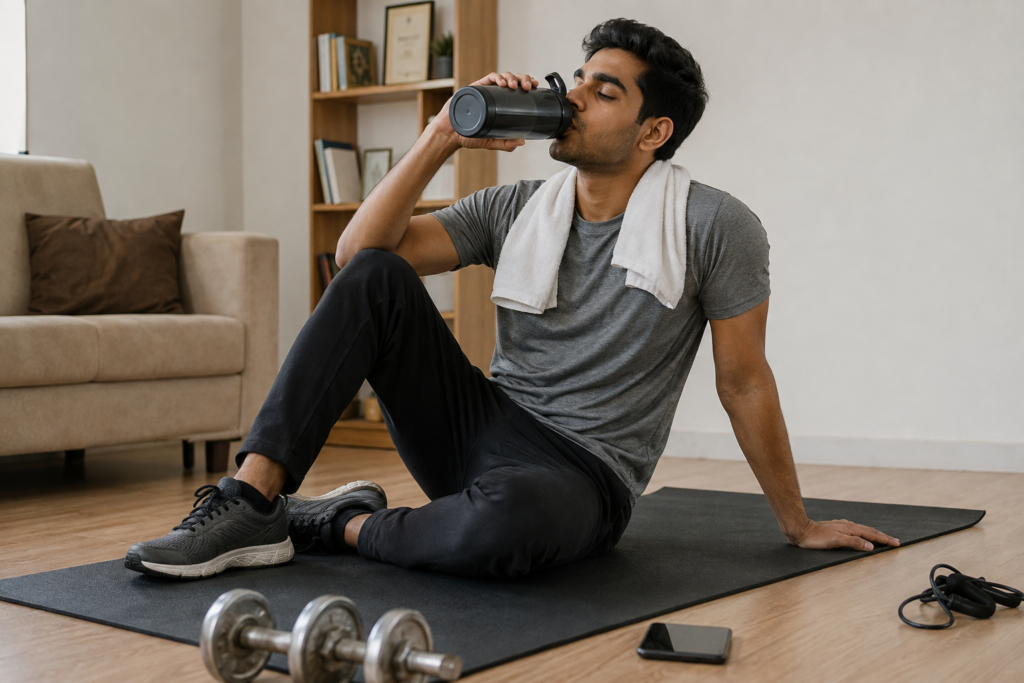
Drink Enough Water
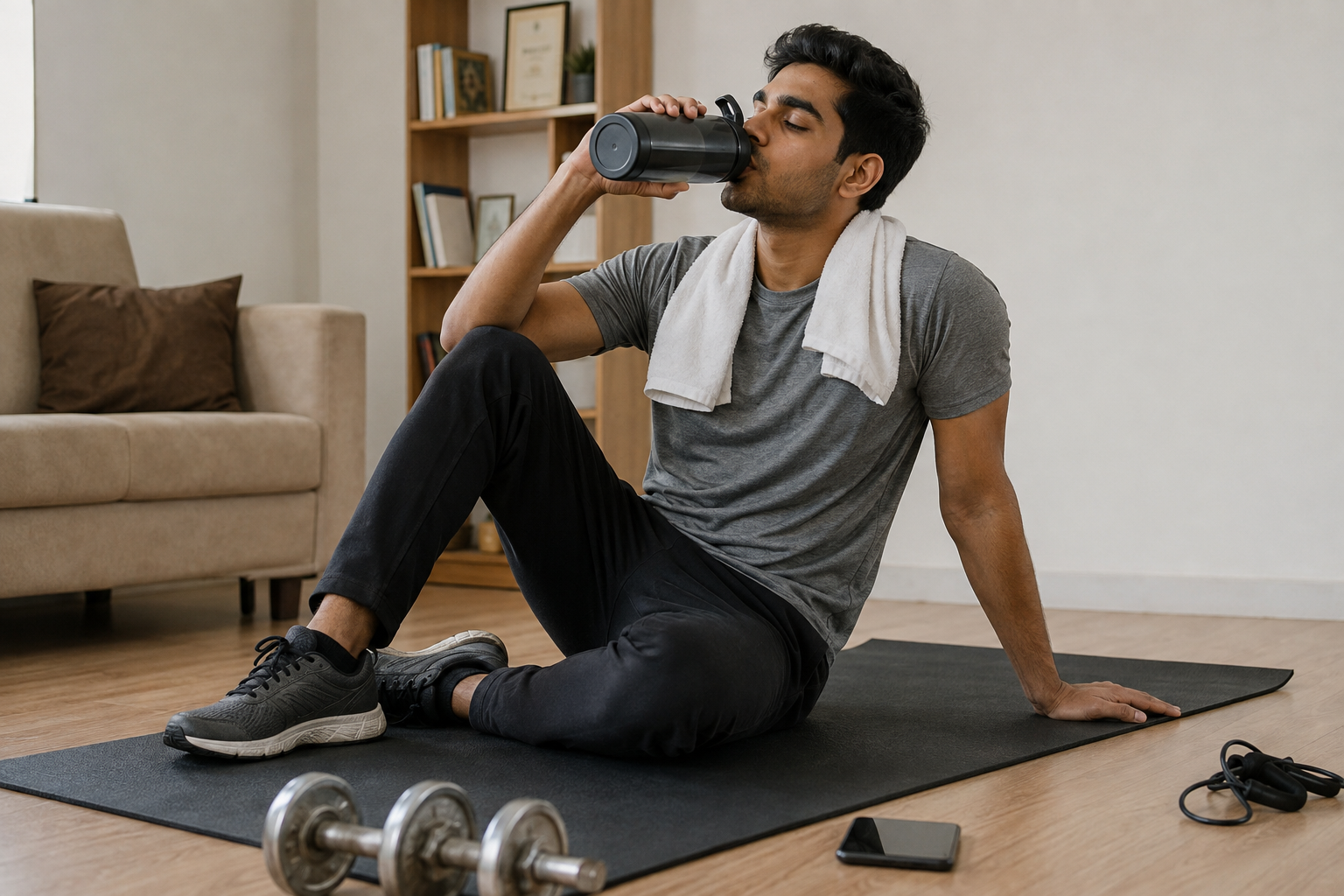
One of the easiest ways to recover faster is by staying hydrated.
During exercise, your body loses water through sweat. Even if you work out indoors with a fan or air conditioner, you still lose fluids.
Drinking enough water helps:
- Reduce muscle fatigue
- Improve blood circulation
- Deliver nutrients to muscles
- Prevent headaches
- Speed up recovery
Try to drink water before your workout, during longer sessions, and immediately afterward. Keep sipping water throughout the day instead of drinking large amounts all at once.
Eat Protein After Your Workout
Protein plays a major role in muscle repair.
When people ask how to recover faster after home workout, nutrition is always part of the answer.
Good protein sources include:
- Eggs
- Chicken breast
- Fish
- Greek yogurt
- Cottage cheese
- Lentils
- Beans
- Tofu
- Protein shakes
Aim to eat a protein rich meal within two hours after your workout. This gives your muscles the nutrients they need to rebuild.
Include Healthy Carbohydrates
Carbohydrates often get a bad reputation, but they are important after exercise.
During a workout, your body uses stored glycogen for energy. Eating healthy carbohydrates helps refill those energy stores.
Some healthy options include:
- Brown rice
- Sweet potatoes
- Oats
- Bananas
- Apples
- Whole grain bread
- Quinoa
Pair carbohydrates with protein for the best recovery meal.
Get Enough Sleep Every Night
Sleep is probably the most powerful recovery tool available.
While you sleep, your body repairs muscles, releases growth hormones, and restores energy.
Adults should aim for seven to nine hours of quality sleep each night.
To improve sleep quality:
- Keep your bedroom cool
- Avoid screens before bedtime
- Sleep at the same time every night
- Avoid heavy meals right before bed
If you are wondering how to recover faster after home workout, improving your sleep should be one of your top priorities.
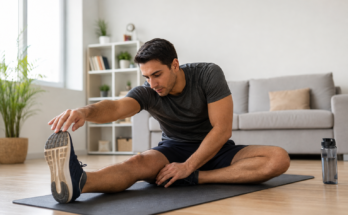
Stretch After Every Workout
Many people finish exercising and immediately sit on the couch.
Instead, spend five to ten minutes stretching.
Stretching helps:
- Improve flexibility
- Reduce muscle tightness
- Increase blood flow
- Relax the body
- Support faster recovery
Focus on the muscles you worked during your session.
For example:
- Stretch your legs after squats.
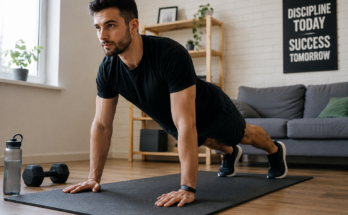
- Stretch your chest after push ups.
- Stretch your shoulders after upper body exercises.
Move slowly and never force a stretch.
Walk Instead of Staying Still
Recovery does not always mean doing nothing.
Light movement can actually reduce soreness.
A short walk around your neighborhood or even inside your home helps improve circulation and delivers oxygen to recovering muscles.
Good active recovery activities include:
- Walking
- Easy cycling
- Gentle yoga
- Light stretching
- Slow mobility exercises
Avoid intense workouts on recovery days.
Eat Enough Vitamins and Minerals
Recovery depends on more than protein alone.
Your body also needs vitamins and minerals for muscle repair.
Focus on eating colorful fruits and vegetables such as:
- Spinach
- Broccoli
- Carrots
- Oranges
- Blueberries
- Bell peppers
- Tomatoes
These foods provide antioxidants that help reduce inflammation after exercise.
Do Not Skip Rest Days
Some people believe working out every single day leads to faster results.
Actually, your muscles need time to recover.
Rest days help:
- Repair muscle tissue
- Prevent overtraining
- Improve energy
- Reduce injury risk
- Keep motivation high
Most beginners benefit from one or two complete rest days each week.
If you exercise daily, alternate between hard and easy workouts.
Manage Muscle Soreness
Feeling sore after a workout is normal, especially if you recently started exercising.
Here are simple ways to reduce soreness:
- Stay hydrated
- Eat balanced meals
- Stretch gently
- Walk for a few minutes
- Get enough sleep
- Massage sore muscles
Muscle soreness usually improves within one to three days.
Try Foam Rolling
A foam roller can help reduce muscle tightness after exercise.
Roll slowly over sore muscles for thirty to sixty seconds.
Common areas include:
- Calves
- Hamstrings
- Quadriceps
- Back
- Glutes
Foam rolling increases blood circulation and may reduce stiffness after workouts.
Listen to Your Body
One important part of learning how to recover faster after home workout sessions is understanding your body’s signals.
Normal soreness feels different from pain.
Stop exercising if you experience:
- Sharp pain
- Swelling
- Joint pain
- Severe weakness
- Dizziness
Rest when your body needs it instead of pushing through pain.
Reduce Stress Levels
Stress affects recovery more than many people realize.
High stress increases cortisol levels, making recovery slower.
Simple stress management habits include:
- Deep breathing
- Meditation
- Reading
- Spending time outdoors
- Listening to relaxing music
- Talking with friends
A relaxed mind supports a healthier body.
Eat Anti Inflammatory Foods
Some foods naturally help reduce inflammation.
Consider adding these to your diet:
- Salmon
- Walnuts
- Almonds
- Olive oil
- Blueberries
- Turmeric
- Ginger
These foods support overall health and may help your body recover more efficiently.
Avoid Overtraining
One of the biggest mistakes people make is exercising too much without enough recovery.
Signs of overtraining include:
- Constant fatigue
- Poor sleep
- Decreased strength
- Mood changes
- Frequent soreness
- Lack of motivation
If these symptoms continue, reduce workout intensity for a few days.
Create a Recovery Routine
Recovery works best when it becomes a habit.
A simple recovery routine could look like this:
After workout:
- Drink water
- Stretch for five minutes
- Eat a balanced meal with protein and carbohydrates
Later in the day:
- Walk for fifteen to twenty minutes
- Eat healthy meals
- Stay hydrated
Before bed:
- Avoid screens
- Relax your mind
- Sleep at the same time every night
Following this routine consistently will help you recover faster after every workout.
Common Recovery Mistakes
Avoid these mistakes if you want better results.
Skipping meals after exercise
Not drinking enough water
Sleeping less than seven hours
Training the same muscles every day
Ignoring pain
Eating only junk food
Never taking rest days
Fixing these habits can improve recovery almost immediately.
Best Foods for Faster Recovery
Here are some excellent recovery foods you can include after home workouts:
- Eggs with whole grain toast
- Chicken with brown rice
- Greek yogurt with berries
- Oatmeal with banana
- Cottage cheese with fruit
- Tuna sandwich on whole grain bread
- Lentil soup
- Grilled fish with vegetables
- Peanut butter on whole wheat toast
- Smoothie with milk, banana, and protein
These meals provide a good balance of protein, carbohydrates, vitamins, and minerals.
Frequently Asked Questions
How long does recovery take after a home workout?
Most people recover within 24 to 48 hours after a moderate workout. Intense training sessions may require up to 72 hours depending on fitness level.
Should I work out if my muscles are sore?
Mild soreness is normal, and light exercise is usually fine. If the soreness is severe or you have pain, take a rest day.
Is sleep more important than supplements?
Yes. Sleep has a much greater impact on recovery than most supplements. Prioritize good sleep before spending money on recovery products.
Does drinking more water help recovery?
Yes. Proper hydration supports muscle repair, improves circulation, and helps reduce fatigue after exercise.
Final Thoughts
Knowing how to recover faster after home workout sessions can make a huge difference in your fitness journey. Recovery is not about being lazy. It is an essential part of becoming stronger, healthier, and more consistent.
Drink enough water, eat nutritious meals, get quality sleep, stretch regularly, stay active on recovery days, and give your muscles enough time to heal. These simple habits will help reduce soreness, improve performance, and prepare your body for the next workout.
Remember, fitness is not only about how hard you train. It is also about how well you recover. When you take recovery seriously, your body rewards you with better strength, more energy, and long term progress.