
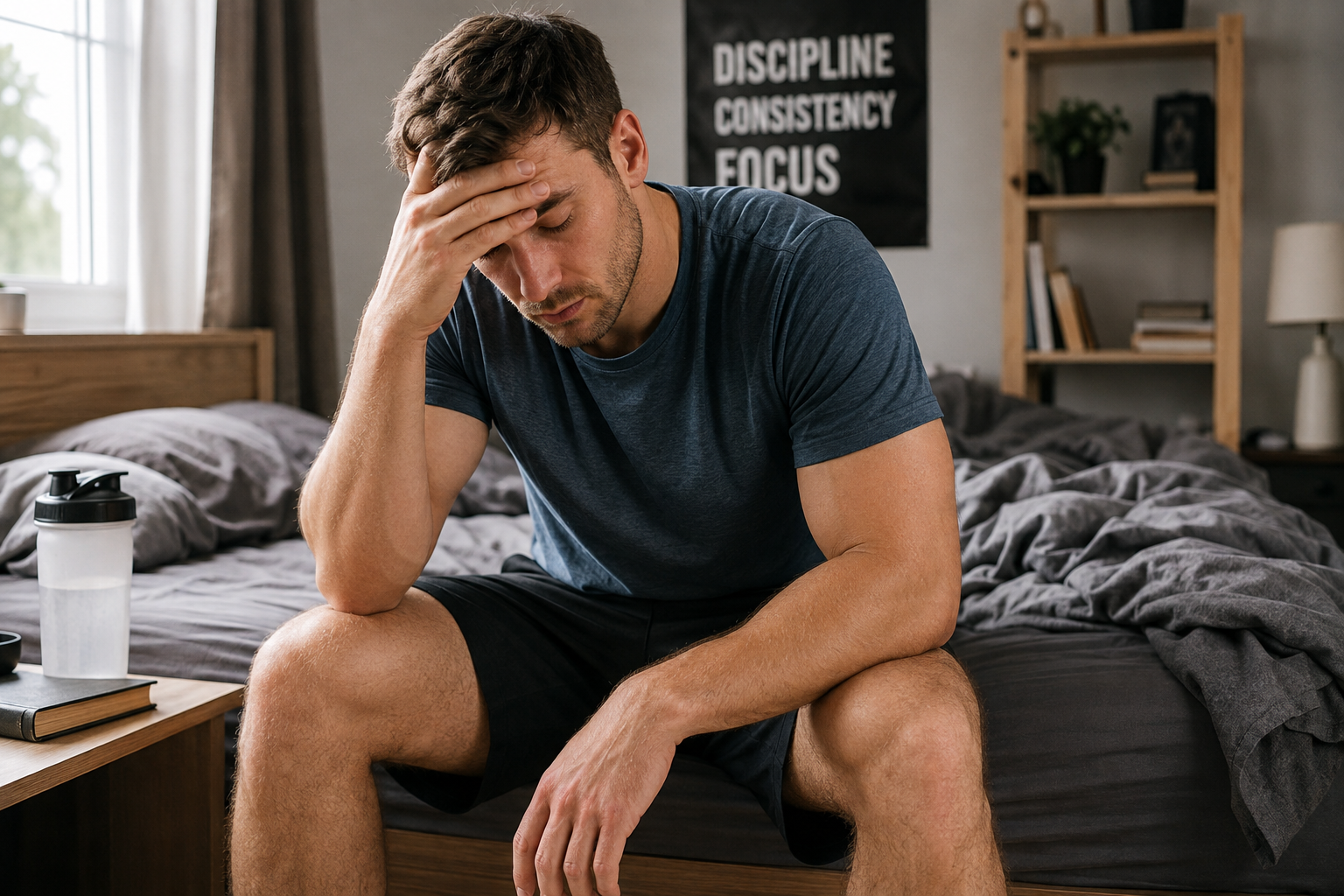
If you work out regularly, pushing yourself feels like the right thing to do. Many people believe that more exercise always means better results. The truth is completely different. Your body grows stronger when it gets enough time to recover. If you keep training without proper rest, you may start experiencing the signs of overtraining and how to recover becomes something you seriously need to understand.
Overtraining does not happen overnight. It develops slowly as your body struggles to recover from repeated physical stress. At first, you may think you are just having a bad workout week. Later, you notice your performance dropping, your energy disappearing, and your motivation fading.
In this guide, you will learn the most common signs of overtraining and how to recover safely so you can return to training stronger than before.
What Is Overtraining
Overtraining happens when your body experiences more physical stress than it can recover from. Every workout creates tiny amounts of muscle damage. During rest, your muscles repair themselves and become stronger.
When recovery is missing because of too much exercise, poor sleep, stress, or not eating enough, your body stays in a constant state of fatigue. Instead of improving, your performance starts getting worse.
This condition can affect beginners, experienced gym goers, runners, athletes, and even people who only exercise at home.
Why Overtraining Happens
There are many reasons why people become overtrained.
Some of the most common causes include:
- Training every day without rest
- Increasing workout intensity too quickly
- Not sleeping enough
- Eating too few calories
- Lack of protein intake
- High stress from work or personal life
- Doing too much cardio
- Ignoring signs of fatigue
- Skipping recovery days
Most people think they need to train harder. In reality, they often need to recover better.
Early Signs of Overtraining
Knowing the early signs of overtraining and how to recover can prevent serious problems later.
Constant Fatigue
Feeling tired after a hard workout is normal. Feeling exhausted every day is not.
If you wake up feeling drained even after sleeping, your body may not be recovering properly.
Persistent fatigue is one of the earliest warning signs.
Poor Workout Performance
One of the biggest signs of overtraining is reduced performance.
You may notice that:
- You cannot lift your usual weights.
- Running feels harder.
- Your endurance drops.
- You lose strength.
- Workouts feel much more difficult than before.
Instead of improving, you begin moving backward.
Muscle Soreness That Never Goes Away
Normal soreness lasts one or two days.
If your muscles stay sore for several days or even a week, your body may not have recovered from previous workouts.
Chronic soreness should never be ignored.
Higher Resting Heart Rate
Many athletes monitor their morning heart rate.
If your resting heart rate stays higher than usual for several days, it can be a sign that your body is under too much stress.
Mental Signs of Overtraining
Overtraining affects the mind just as much as the body.
Lack of Motivation
One day you love working out.
The next day you cannot even think about exercising.
Losing excitement for training is a common symptom.
Mood Changes
Many people become:
- Irritable
- Angry
- Frustrated
- Anxious
- Emotionally tired
Hormonal changes caused by excessive training can affect your mood significantly.
Difficulty Concentrating
You may find it harder to focus at work, school, or during daily activities.
Mental fatigue often appears before physical symptoms become severe.
Physical Symptoms You Should Never Ignore
Some symptoms deserve immediate attention.
Frequent Injuries
When muscles stay tired, your movement becomes less efficient.
This increases the risk of:
- Muscle strains
- Joint pain
- Tendon injuries
- Knee pain
- Shoulder problems
If you keep getting injured, your recovery routine may need improvement.
Trouble Sleeping
It sounds strange, but exercising too much can actually make sleeping harder.
Many overtrained people experience:
- Difficulty falling asleep
- Waking up during the night
- Feeling tired after sleeping
Poor sleep creates even slower recovery.
Getting Sick More Often
Heavy training without recovery weakens the immune system.
You may notice:
- Frequent colds
- Sore throat
- Longer recovery from illness
- Feeling unwell more often
A healthy exercise routine should improve immunity, not weaken it.
Loss of Appetite
Some people experience reduced hunger after long periods of excessive training.
Eating too little makes recovery even more difficult.
Who Is Most at Risk
Although anyone can become overtrained, some people have a higher risk.
These include:
- Marathon runners
- Bodybuilders
- CrossFit athletes
- Competitive sports players
- Fitness beginners who train too much
- People following extreme workout challenges
Even home workouts can lead to overtraining if recovery is ignored.
Signs That You Need a Rest Day
Sometimes your body clearly tells you to slow down.
Take a recovery day if you notice:
- Constant tiredness
- Heavy legs
- Weak muscles
- Poor workout performance
- Bad mood
- Low motivation
- Persistent soreness
- Trouble sleeping
Listening to your body helps prevent long term setbacks.
Signs of Overtraining and How to Recover Effectively
Understanding the signs of overtraining and how to recover is only half the solution. Recovery is where real progress happens.
Take Several Days Off
If symptoms are mild, taking two or three days off may be enough.
If symptoms are severe, you may need one or two weeks of reduced activity.
Remember that resting is part of training.
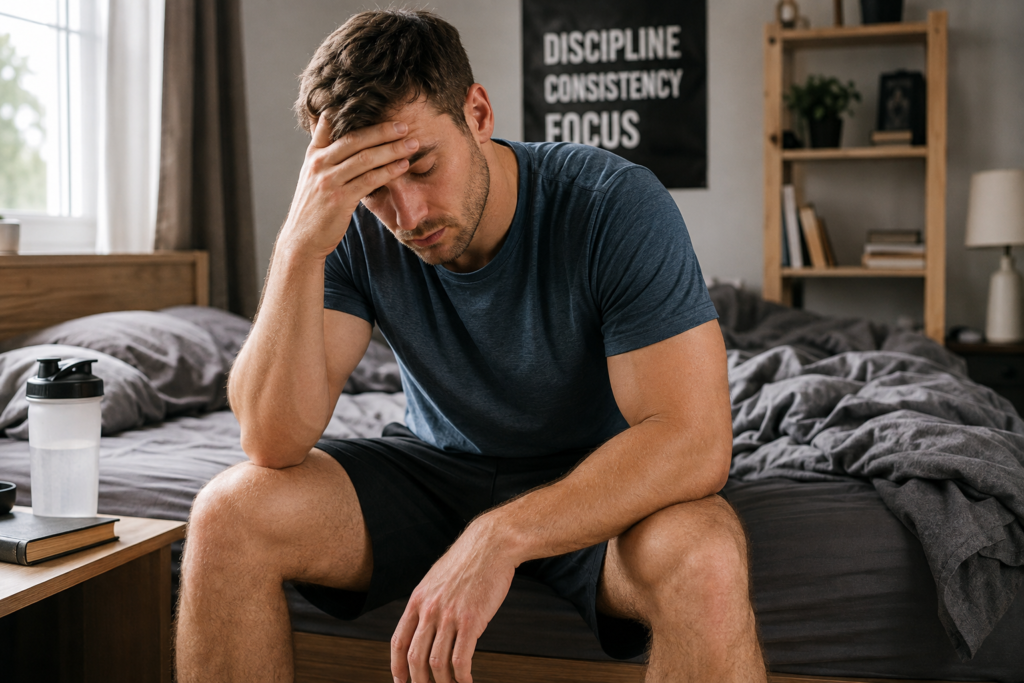
Improve Sleep Quality
Sleep is the most powerful recovery tool.
Aim for seven to nine hours every night.
To improve sleep:
- Keep a regular bedtime.
- Avoid screens before bed.
- Make your bedroom cool and dark.
- Limit caffeine late in the day.
Better sleep means faster muscle repair.
Eat Enough Calories
Your body needs energy to recover.
Many people unknowingly eat too little while training hard.
Include:
- Lean protein
- Whole grains
- Healthy fats
- Fruits
- Vegetables
A balanced diet supports muscle recovery and hormone balance.
Increase Protein Intake
Protein helps repair damaged muscle fibers.
Good protein sources include:
- Chicken
- Fish
- Eggs
- Greek yogurt
- Cottage cheese
- Beans
- Lentils
- Tofu
Try spreading protein across your meals instead of eating it all at once.
Stay Hydrated
Even mild dehydration slows recovery.
Drink water throughout the day instead of waiting until you feel thirsty.
After intense workouts, replace lost fluids and electrolytes.
Reduce Workout Intensity
You do not always need to stop exercising completely.
Sometimes switching to lighter activities helps.
Examples include:
- Walking
- Easy cycling
- Gentle swimming
- Yoga
- Stretching
Active recovery increases blood flow without adding too much stress.
The Importance of Recovery Days
Many people skip rest days because they fear losing progress.
The opposite is usually true.
Recovery days help:
- Build stronger muscles
- Improve energy
- Reduce injury risk
- Support hormone balance
- Increase motivation
- Improve long term performance
Professional athletes schedule recovery because they know improvement happens outside the gym.
How to Prevent Overtraining
Preventing overtraining is much easier than recovering from it.
Follow these simple habits.
Follow a Balanced Training Plan
Increase workout intensity gradually.
Avoid making large jumps in weight or training volume.
Schedule Rest Days
Take at least one or two recovery days every week.
Your muscles need regular breaks.
Eat Enough Nutrients
Fuel your workouts with healthy foods rich in protein, carbohydrates, vitamins, and minerals.
Manage Daily Stress
Mental stress affects physical recovery.
Meditation, deep breathing, reading, or spending time outdoors can reduce overall stress levels.
Listen to Your Body
Pain and exhaustion are not signs of success.
Ignoring warning signals usually leads to longer recovery times.
Common Myths About Overtraining
Many fitness myths encourage unhealthy habits.
More Exercise Always Means Better Results
Quality matters more than quantity.
Smart training beats endless training.
Rest Makes You Weak
Rest allows muscles to rebuild stronger.
Skipping recovery slows progress.
Only Professional Athletes Overtrain
Anyone can become overtrained.
Even beginners who exercise too often without recovery are at risk.
When to See a Doctor
Sometimes recovery at home is not enough.
Consult a healthcare professional if you experience:
- Severe fatigue lasting several weeks
- Chest pain
- Persistent dizziness
- Rapid weight loss
- Ongoing insomnia
- Frequent illness
- Depression or anxiety that continues
Medical evaluation can rule out other health conditions.
Final Thoughts
Learning the signs of overtraining and how to recover is essential for anyone who wants long term fitness success. Exercise should improve your health, not leave you feeling exhausted every day. Constant fatigue, poor performance, mood changes, soreness, sleep problems, and repeated injuries are all signals that your body needs more recovery.
The good news is that overtraining is usually reversible with proper rest, quality sleep, balanced nutrition, hydration, and smarter workout planning. Instead of chasing more workouts, focus on consistent training combined with effective recovery. Your body will reward you with better strength, improved performance, and sustainable progress for years to come.