If you are looking for a simple and realistic way to lose weight, this walking for weight loss beginners guide is exactly what you need. When I first decided to lose weight, I spent hours searching for the perfect workout. Every fitness expert seemed to recommend intense gym sessions, expensive equipment, or complicated workout routines. The problem was that I wasn’t ready for any of those. I wanted something easy, affordable, and sustainable.
That is when I started walking.
At first, I honestly didn’t believe walking could make much difference. It seemed too simple. But after staying consistent, I realized that walking is one of the most underrated exercises for weight loss. It helped me burn calories, improve my energy levels, reduce stress, and slowly build healthy habits without putting too much pressure on my body.
If you are just starting your weight loss journey, walking might be the best decision you can make. In this guide, I will explain everything I have learned, from how walking burns fat to creating a beginner-friendly walking plan that you can actually stick with.
Why Walking Is One of the Best Exercises for Weight Loss
Many people think they need intense workouts to lose weight. While high-intensity exercise certainly burns calories, it is not always the best choice for beginners.
Walking is different because almost anyone can do it.
You do not need expensive equipment, a gym membership, or years of fitness experience. All you need is a comfortable pair of shoes and the willingness to take the first step.
Walking is also gentle on your joints, making it suitable for people who are overweight or have not exercised for a long time.
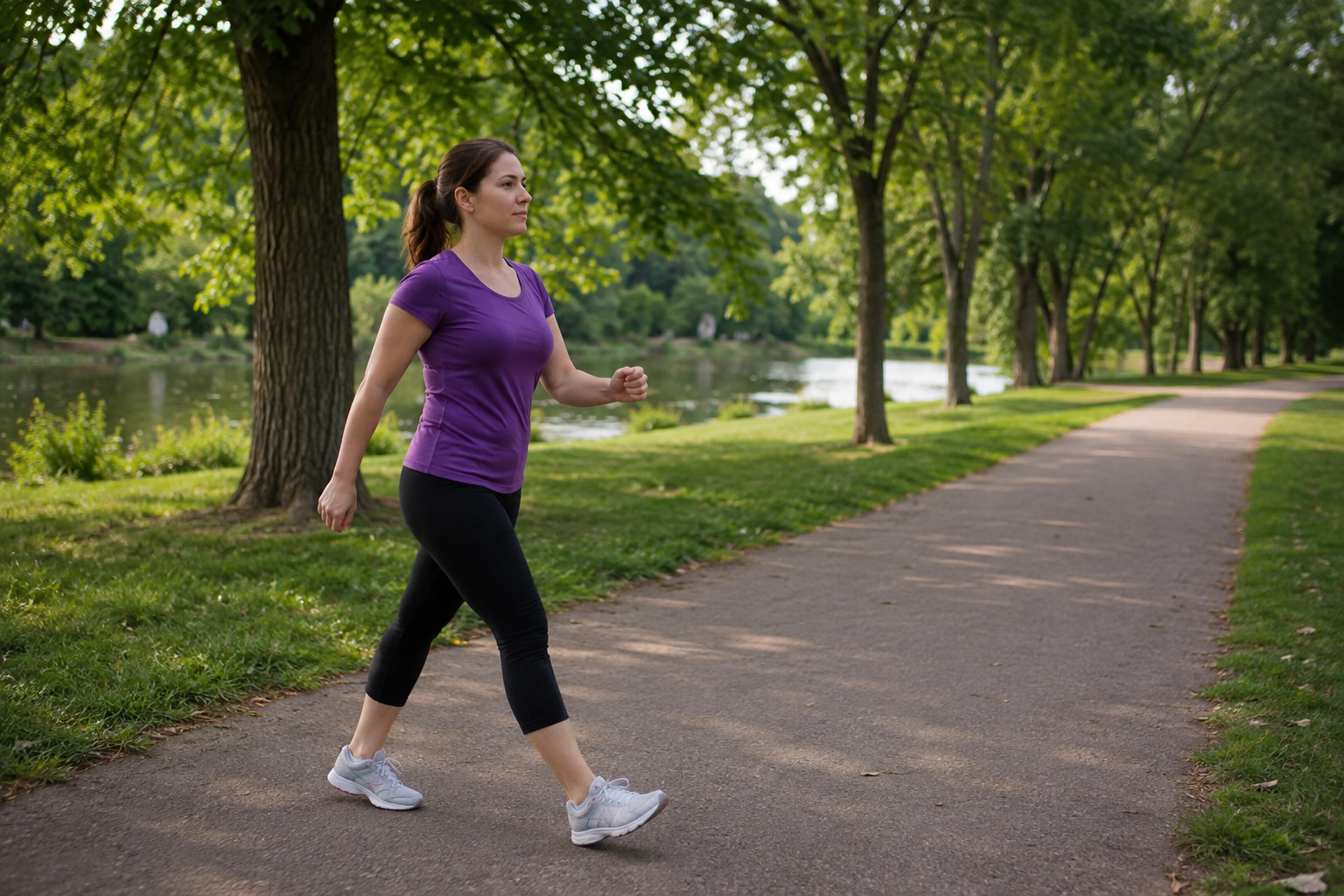
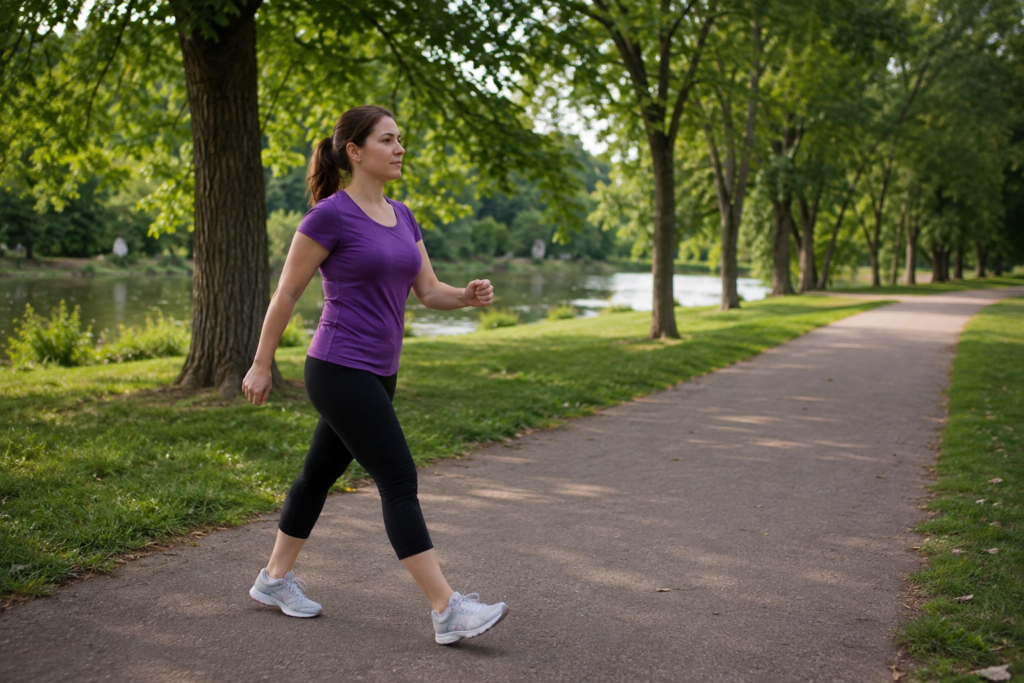
Another reason I love walking is that it feels less like exercise and more like part of daily life. You can walk in your neighborhood, at a local park, on a treadmill, or even inside a shopping mall if the weather is bad.
How Walking Helps You Lose Weight
Weight loss happens when you burn more calories than you consume.
Walking increases your daily calorie burn without making your body feel exhausted.
Depending on your body weight, walking speed, and distance, a person can burn anywhere between 200 and 400 calories in one hour.
While that may not sound like a huge number, those calories add up over weeks and months.
For example, walking 300 calories every day could burn around 9,000 calories in a month, which is roughly equal to losing more than two pounds of body fat when combined with healthy eating.
The biggest advantage is consistency.
A workout you enjoy and continue doing is much better than an intense workout you quit after one week.
Health Benefits Beyond Weight Loss
One thing I noticed after walking regularly was that the benefits went far beyond losing weight.
Walking helped me sleep better.
My mood improved.
I felt less stressed during busy days.
My stamina increased.
Even climbing stairs became easier.
Research has shown that regular walking may help improve heart health, reduce blood pressure, strengthen muscles, improve balance, and lower the risk of chronic diseases.
Instead of thinking about walking as a temporary exercise, think of it as a lifelong habit that keeps your body healthy.
How Many Calories Does Walking Burn?
The exact number depends on several factors.
These include your body weight, walking speed, walking distance, terrain, and overall fitness level.
Here is a general estimate.
Walking slowly at around 2 miles per hour burns approximately 180 to 220 calories per hour.
Walking at a moderate pace of around 3 miles per hour burns around 220 to 300 calories.
Walking briskly at around 4 miles per hour may burn between 300 and 400 calories.
Walking uphill or adding inclines increases calorie burn even more because your muscles work harder.
Is Walking Enough to Lose Weight?
Yes, walking can absolutely help you lose weight.
However, walking alone is not enough if you continue eating significantly more calories than your body needs.
The best results come from combining regular walking with balanced nutrition.
You do not need a strict diet.
Instead, focus on eating more vegetables, lean protein, fruits, whole grains, and drinking enough water.
Small changes repeated consistently usually work much better than extreme diets.
What You Need Before You Start
Starting is simple.
Here are the basics.
Wear comfortable walking shoes with good support.
Choose lightweight clothing suitable for the weather.
Carry a water bottle if you plan to walk for more than thirty minutes.
Use a fitness tracker or smartphone to count your steps.
Set realistic goals instead of expecting overnight results.
That is really all you need.
Best Walking Shoes for Beginners
Your shoes can make a big difference.
A comfortable pair reduces the risk of foot pain and injuries.
Look for shoes that provide cushioning, arch support, breathable materials, and a comfortable fit.
Avoid using old worn-out shoes because they may not provide enough support.
Warm Up Before Walking
Never start walking at full speed immediately.
Spend about five minutes warming up.
Walk slowly.
Roll your shoulders.
Move your arms naturally.
Perform gentle ankle circles.
Take deep breaths.
A proper warm-up prepares your muscles and lowers the risk of injury.
Cool Down After Walking
Once you finish your walk, slow your pace for another five minutes.
Stretch your calves.
Stretch your hamstrings.
Stretch your quadriceps.
Stretch your hips.
This helps reduce muscle tightness and improves flexibility.
Beginner Walking Plan
When I first started, I made the mistake of trying to walk too much too soon.
That only left me tired.
Instead, I recommend starting gradually.
Week One
Walk twenty minutes five days each week.
Maintain a comfortable pace.
Week Two
Increase your walks to twenty five minutes.
Try walking slightly faster during the final five minutes.
Week Three
Walk thirty minutes at a steady pace.
Focus on consistency.
Week Four
Increase your walks to thirty five or forty minutes.
If you feel comfortable, include a few short bursts of brisk walking.
By the end of the first month, walking will feel much easier than when you started.
How Many Steps Should Beginners Walk?
Many people believe everyone must reach ten thousand steps every day.
The truth is that any increase in daily movement is beneficial.
If you currently average around three thousand steps daily, aim for five thousand.
Then gradually work toward seven thousand, eight thousand, and eventually ten thousand if possible.
Progress matters more than perfection.
Best Time to Walk for Weight Loss
There is no single perfect time.
Morning walks help many people stay consistent before daily responsibilities begin.
Afternoon walks can improve energy levels.
Evening walks are excellent for reducing stress after work.
The best time is simply the time you can stick with consistently.
Should You Walk Every Day?
Walking daily is generally safe for most beginners.
However, listening to your body is important.
If your muscles feel sore, take an easy recovery walk instead of a long brisk session.
Rest is part of progress.
Brisk Walking Versus Slow Walking
Both types have benefits.
Slow walking is excellent for complete beginners.
Brisk walking burns more calories and improves cardiovascular fitness.
As your fitness improves, gradually spend more time walking briskly.
Walking Outdoors or on a Treadmill
Both options work well.
Outdoor walking provides fresh air, changing scenery, and natural inclines.
Treadmills offer convenience and allow you to walk regardless of weather conditions.
The best option is whichever helps you stay consistent.
Should You Walk Before or After Eating?
Many people enjoy walking after meals because it supports digestion and helps regulate blood sugar levels.
A short ten to twenty minute walk after dinner can be especially beneficial.
If walking before breakfast feels comfortable, that works too.
Choose whichever fits your schedule.
Nutrition Tips for Better Results
Walking burns calories, but your food choices determine much of your progress.
Try eating lean protein with every meal.
Increase vegetable intake.
Choose whole grains instead of refined carbohydrates.
Drink plenty of water throughout the day.
Reduce sugary drinks.
Avoid frequent late-night snacking.
Remember, healthy eating does not mean starving yourself.
Stay Hydrated
Even during moderate walks, your body loses water.
Drink water before your walk.
Carry water if walking longer than thirty minutes.
Drink again after finishing.
Proper hydration improves performance and recovery.
Common Beginner Mistakes
Many beginners give up because of simple mistakes.
Walking too fast on the first day.
Skipping warm-ups.
Wearing uncomfortable shoes.
Expecting immediate weight loss.
Comparing yourself to others.
Walking only once a week.
Ignoring nutrition.
Consistency always beats perfection.
Staying Motivated
Motivation comes and goes.
Habits stay.
Set weekly goals instead of daily perfection.
Celebrate small victories.
Listen to music or podcasts while walking.
Invite a friend.
Explore new walking routes.
Track your progress.
Take photos every month instead of checking the scale every day.
Sometimes your body changes before your weight does.
How Long Does It Take to See Results?
Everyone loses weight at a different pace.
Some people notice improved energy within the first week.
Better endurance often appears after two to four weeks.
Visible weight loss usually takes several weeks depending on your diet and walking routine.
Be patient.
The goal is lasting progress, not quick fixes.
Frequently Asked Questions
Can beginners lose weight by walking only?
Yes. Walking combined with a healthy calorie-controlled diet can produce excellent weight loss results.
Is thirty minutes of walking enough?
Absolutely. Thirty minutes of brisk walking most days of the week is a great starting point.
Should I walk every day?
Five to six days each week is ideal for most beginners.
Does walking reduce belly fat?
Walking helps reduce overall body fat. As your body loses fat, belly fat also decreases over time.
Is walking better than running?
For many beginners, yes. Walking is easier on the joints, easier to maintain, and has a lower risk of injury.
Final Thoughts
I truly believe that walking is one of the easiest and most effective ways to begin a weight loss journey. It does not require expensive equipment, advanced fitness knowledge, or hours in the gym. What it does require is consistency.
If there is one lesson I have learned, it is that small daily actions create big long-term results. A simple twenty or thirty-minute walk may not seem life-changing today, but after weeks and months, those walks can completely transform your health, fitness, confidence, and lifestyle.
Do not wait for Monday, next month, or the perfect time. Put on a comfortable pair of shoes, step outside, and start walking today. Every step you take moves you closer to a healthier version of yourself, and that journey begins with just one walk.
SEO Title
Walking for Weight Loss Beginners Guide: Easy Tips to Lose Weight Naturally
Meta Description
Discover the ultimate walking for weight loss beginners guide. Learn how to burn fat, create a walking routine, avoid common mistakes, and lose weight naturally with simple daily walks.
Suggested URL Slug
walking-for-weight-loss-beginners-guide